














































Natural protection against broad mites: Tips for effective control and prevention
Broad mites can quickly take a toll on plants, especially in warm and dry conditions. You often only notice the problem when leaves lose their vitality or growth visibly slows down. The sooner you act, the easier it is to contain the infestation. In this article, you will learn how to identify broad mites, which natural measures really help, and how to protect your plants sustainably.
Causes: Why do broad mites appear?
Broad mites thrive in stressful plant conditions. Common triggers are an unfavorable microclimate, dry air, and weakened plants. Houseplants, greenhouse crops, and sensitive ornamental plants are particularly susceptible.
- Dry heating air and low humidity
- Warmth (e.g., windowsills, winter gardens, greenhouses)
- Weakened plants due to nutrient deficiencies or improper watering
- Crowded plants and poor air circulation
- Introduction via new plants or substrates
Identification: How do you recognize broad mites?
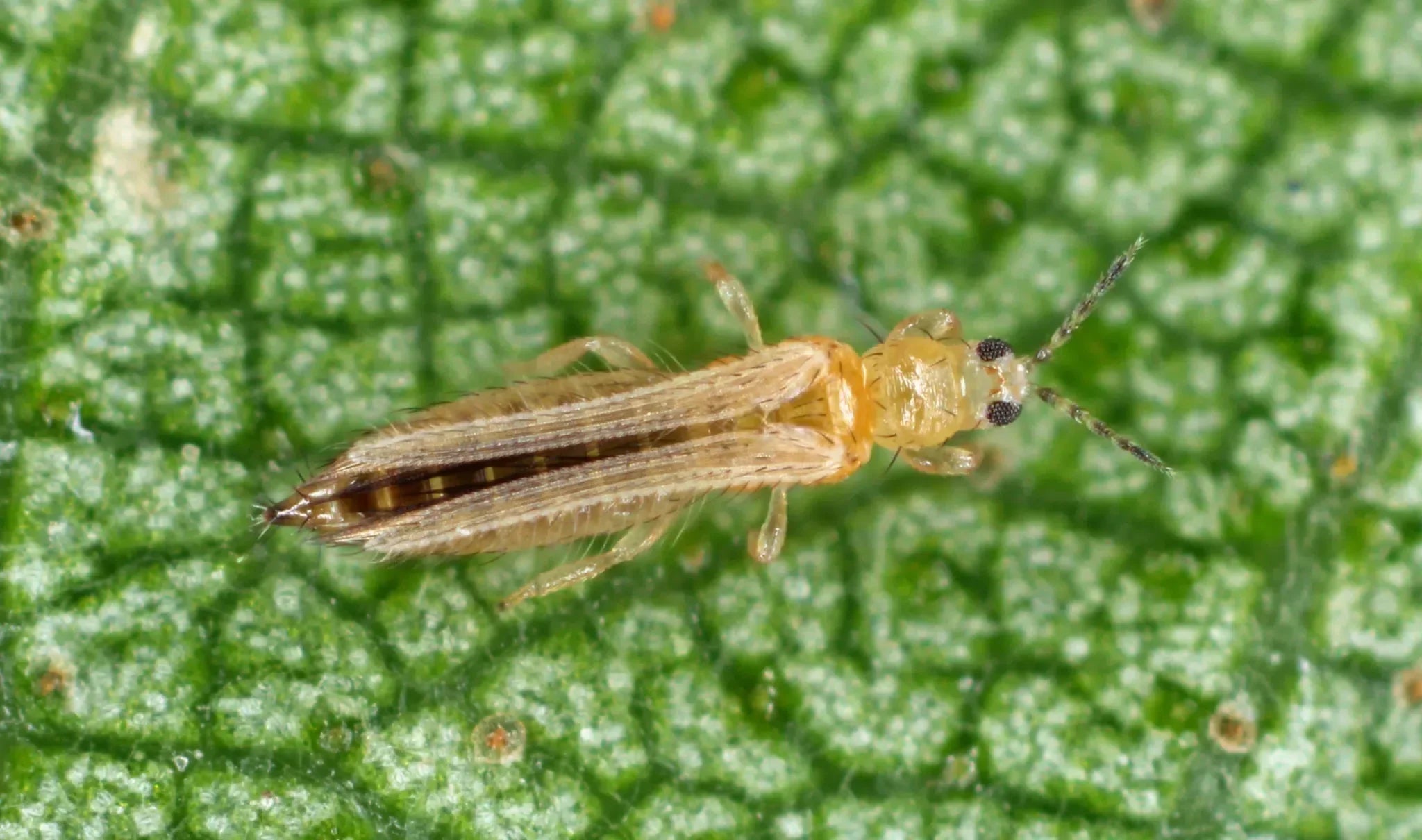
Broad mites are very small. Often, the signs of damage are more noticeable than the pests themselves. Watch for these typical symptoms:
- Leaves look dull, spotted, or mottled
- Growth disturbances (new shoots remain small, plants appear "stunted")
- Undersides of leaves show fine discolorations or a slight "dusty" appearance
- In case of severe infestation: Leaf loss and an overall weak plant
Control: Getting rid of broad mites naturally – what really works?
For effective control, it is crucial to tackle the infestation holistically: improve the environment, use plant-strengthening care, and, if necessary, use beneficial organisms. This reduces the pressure sustainably – without unnecessary stress for the plant and its surroundings.
1) Improve the microclimate (the foundation for quick success)
- Increase humidity (e.g., a tray of water, humidifier, regular ventilation)
- Don't place plants too close together – more air circulation reduces stress
- Check the location: avoid direct heating air
2) Reduce infestation: Use beneficial organisms effectively
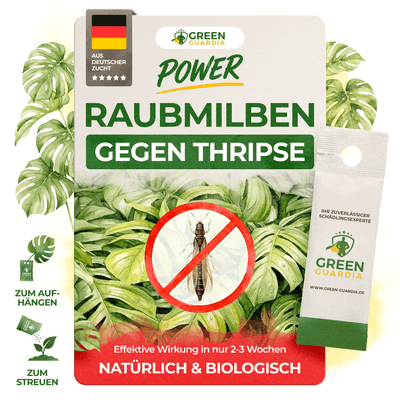
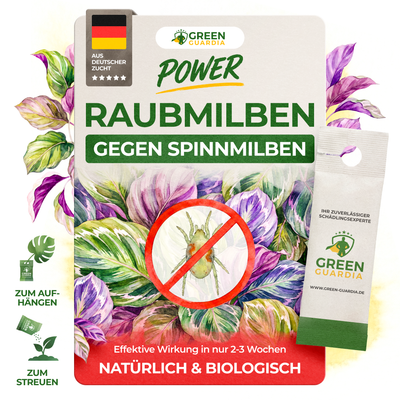
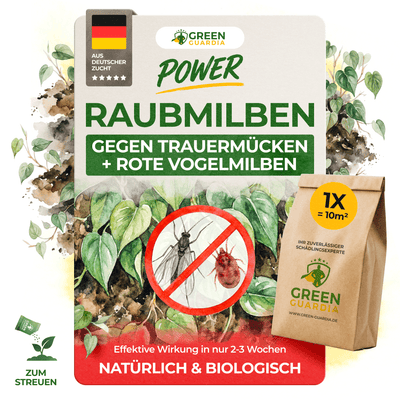
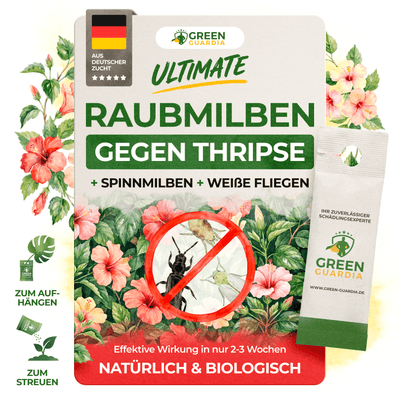
A particularly sustainable method is the use of natural predators. Predatory mites are ideal for targeted support. They are a proven, natural solution for plant environments and can help keep mite populations in balance. Especially in the case of recurring problems, using predatory mites is a sensible measure because they work exactly where the mites appear: directly on the plant.
3) Gently supplement plant protection: How to use neem oil properly
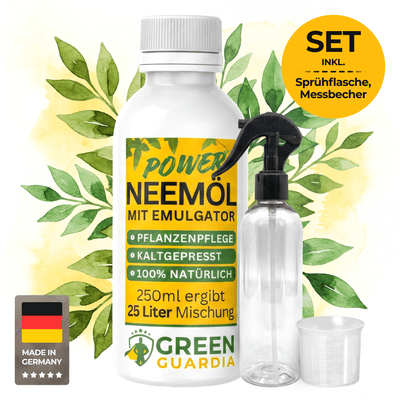
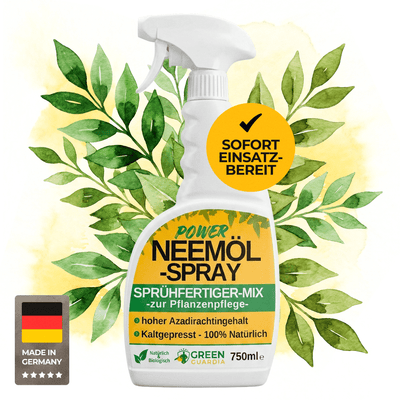
If you would like to incorporate plant-based care into your routine, neem oil can be a useful addition. The key is proper application: neem oil is frequently used in plant care to support leaves and maintain the plant surface as part of a plant-strengthening care routine. Always ensure correct application and test on a small area of sensitive plants first.
- Apply evenly to leaves (pay special attention to the undersides)
- Best applied in the morning or evening (not in direct sunlight)
- Test on a small spot of sensitive plants first
Tip: Always combine several measures: improve microclimate + strengthen the plant + targeted support from predatory mites. This ensures lasting success – even in the long term.
Prevention: How to protect your plants permanently
Prevention is key with broad mites. If your plants are strong and the environment is right, mites have much less of a chance. These points will help you in your day-to-day care:
- Check regularly – especially leaf undersides and new shoots
- Quarantine new plants (keep them separate for 7–14 days)
- Water and fertilize in a balanced way – reduce plant stress
- Maintain stable humidity, especially during the heating season
- Use natural support early if needed, e.g., predatory mites
Frequently asked questions about broad mites
How do broad mites differ from other mites?
Broad mites are very small and are often only identified by the damage they cause. Typical signs include growth disturbances and a general weakening of the plant. For a reliable identification, it helps to look at the damage in the context of the plant's location, humidity, and care.
What is best for treating an active infestation?
The most effective approach is a combination: optimize the climate (humidity/air movement), strengthen the plant, and use targeted natural predators. The use of predatory mites is particularly proven because they work directly on the plant.
Can neem oil be part of plant care?
Yes, neem oil is frequently used in plant care to support leaves and maintain the plant surface as part of a plant-strengthening care routine. Correct application and a tolerance test on sensitive plants are important. Neem oil is suitable for this.
How do I prevent mites from returning?
Maintain a stable microclimate (especially humidity during the heating season), regularly check the undersides of leaves, and keep new plants in quarantine first. For recurring problems, an early introduction of predatory mites can help permanently stabilize the balance.
Take action now:
If you want to effectively reduce broad mites, start with the basics: stabilize humidity, provide stress-free plant care, and check regularly. For targeted, natural support, predatory mites are a great option. If you also want to supplement your plant care with plant-based products, neem oil is a suitable choice as part of a plant-strengthening routine.