






































Ficus Lyrata – Fiddle Leaf Fig: Care, location & frequently asked questions
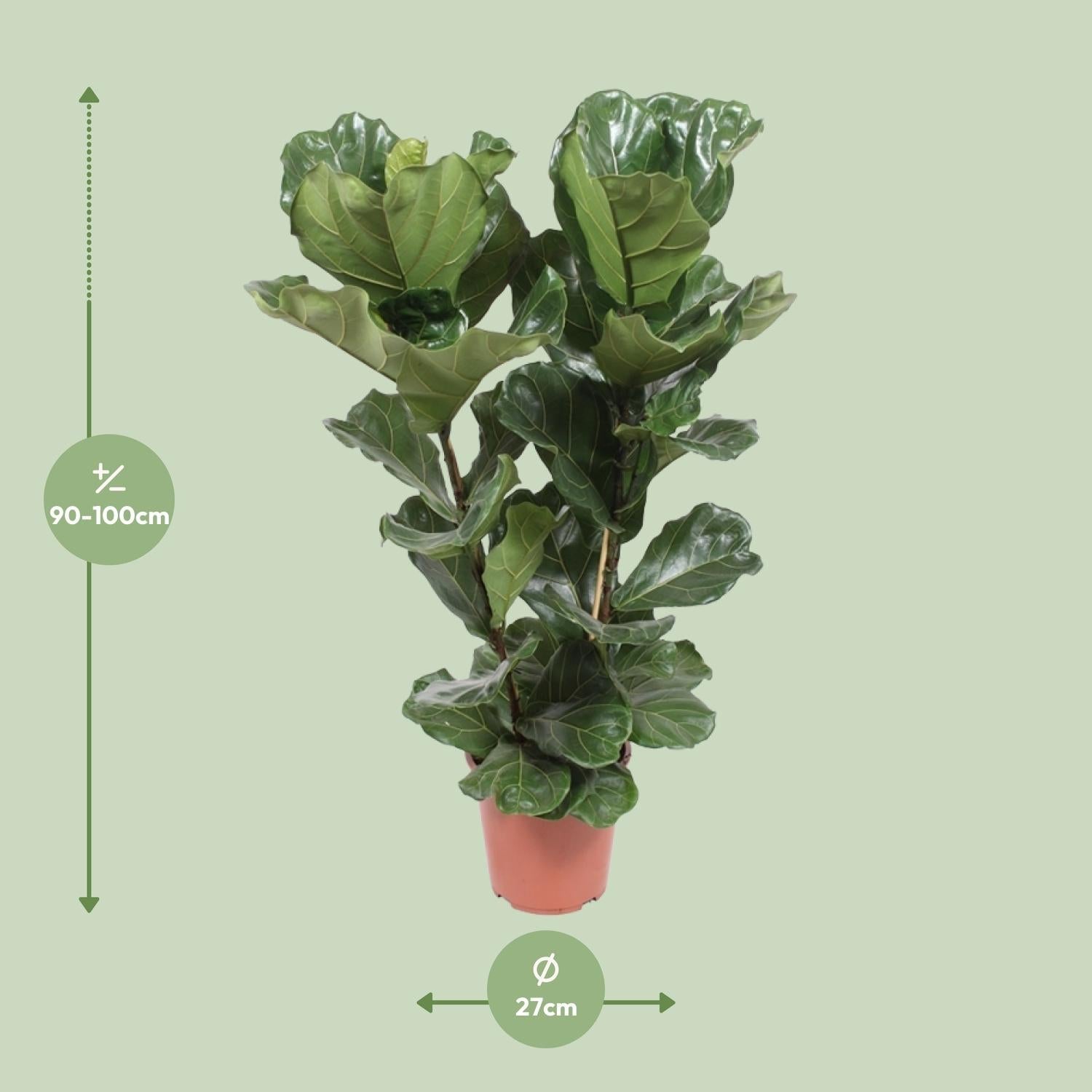
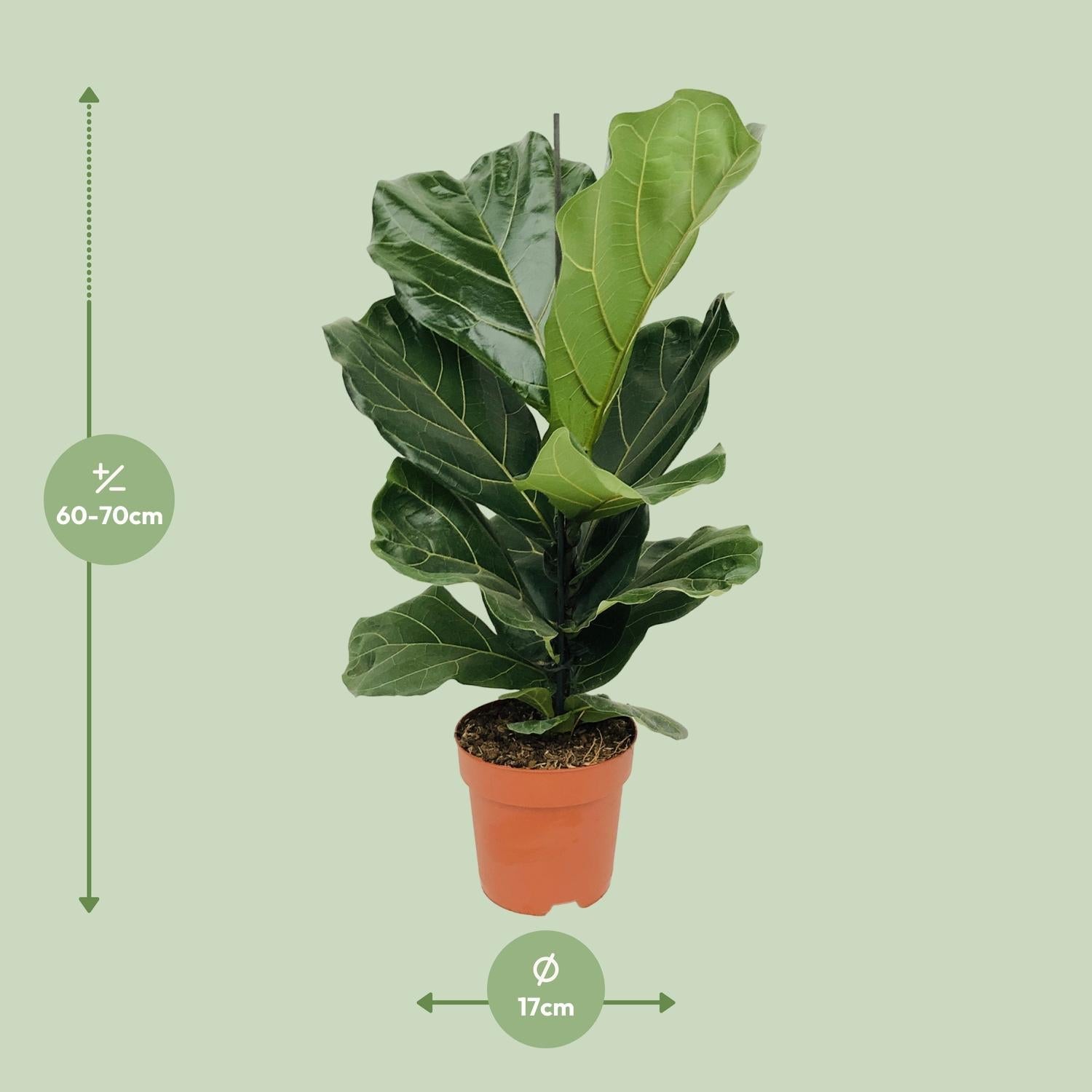
The Ficus Lyrata, better known as the Fiddle Leaf Fig, is the absolute statement piece for any interior. With its impressive, fiddle-shaped leaves and stately stature, it has earned a permanent place in the world of interior design trends. However, this tropical beauty is considered a bit of a diva – it requires attention and the right environment to flourish. In this guide, you will learn how to keep your Fiddle Leaf Fig happy.
Origin & Characteristics
The Fiddle Leaf Fig is native to the lowland rainforests of West Africa. There, it grows into massive trees under warm, humid conditions. As a houseplant, the Ficus Lyrata is especially popular for its air-purifying properties. It belongs to the fig genus (Ficus) and is distinguished by its leathery, dark green leaves with prominent veins.
Appearance & Growth
How fast does a Fiddle Leaf Fig grow?
Indoors, the Ficus Lyrata usually reaches a height between 30 cm and 130 cm, but can grow significantly taller under ideal conditions with enough space. It is a slow grower, focusing its energy on producing large, robust leaves. It has an upright growth habit, which can be branched out through targeted pruning.
The right Ficus Lyrata location
Choosing the right location is everything. The Ficus Lyrata is sensitive to change.
- Light requirements: It loves bright light but does not tolerate intense, direct midday sun. A spot near an east or west-facing window is ideal.
- Consistency: Once it has become accustomed to a spot, it should stay there. Frequent moving often leads to leaf drop.
- Temperature: It likes to be kept warm year-round (no lower than 16 °C) and hates cold drafts near its "feet".
Caring for & watering your Ficus Lyrata
How much water does the Fiddle Leaf Fig need?
Watering is the biggest hurdle: The soil of the Ficus Lyrata should be allowed to dry out on the surface before you water again. It is more forgiving of short periods of dryness than "wet feet." Waterlogging inevitably leads to brown spots on the leaves. Pro-Tip: Regularly dust the large leaves with a damp cloth so the plant can absorb light optimally.
Typical problems & solutions
Why is my Ficus Lyrata getting brown leaves?
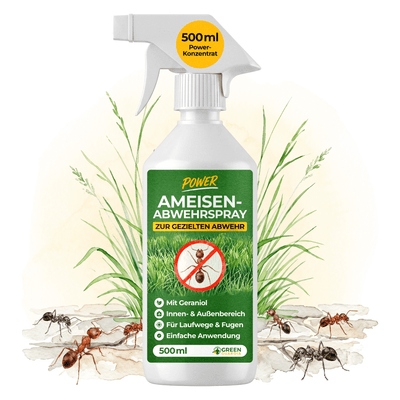
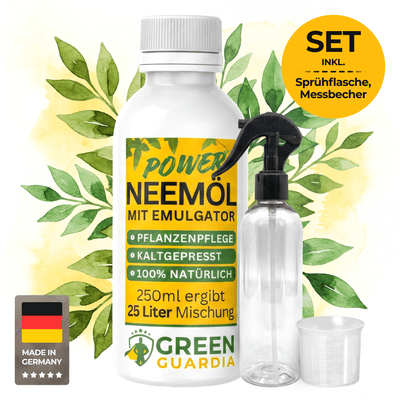
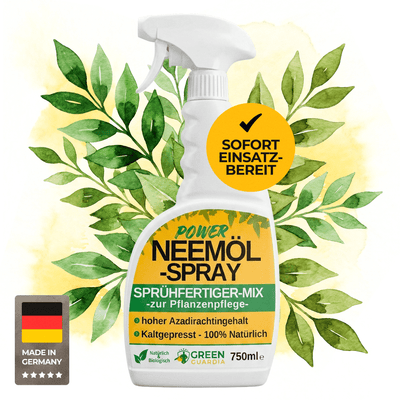
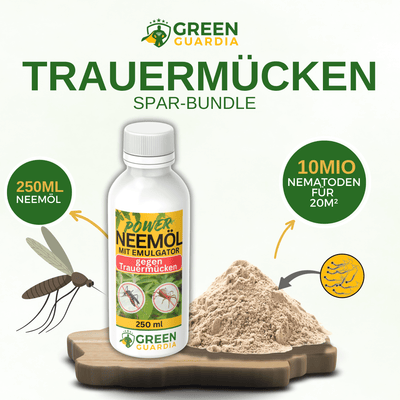
Brown spots in the middle of the leaf usually indicate root rot caused by too much water. Brown, dry leaf edges, on the other hand, often signal low humidity or a location that is too dark. For signs of stress or to support general leaf vitality under pest pressure, gentle care with neem oil-based products can serve as natural plant protection to stabilize the plant's immune system.
Take action now:
Patience and consistency are the keys to success with the Fiddle Leaf Fig. If you have a bright spot without drafts and water it moderately, your Ficus will become an impressive life companion. Ensure good drainage in the pot and reward the plant with high humidity.
Ready for your own green monument? Get your magnificent Ficus Lyrata directly from GreenGuardia and bring tropical elegance into your home!
Frequently Asked Questions about Ficus Lyrata
Why is my Fiddle Leaf Fig losing leaves?
Leaf loss is usually a reaction to sudden changes. This can be a new location, drafts, or an extreme watering event. Give the plant time to acclimate and avoid further moving it.
Do I need to fertilize the Ficus Lyrata?
Yes, during the growth phase from spring to autumn, the Fiddle Leaf Fig appreciates a high-quality green plant fertilizer every two weeks. Fertilizing should be stopped in winter.
How do I recognize pests on the Fiddle Leaf Fig?
Watch out for fine webbing (spider mites) or sticky spots on the leaves (scale insects). For prevention and supporting leaf care, regular cleaning and the use of natural plant protection are recommended to promote plant health.